
Lighting Blog
How to Choose Mini LED Spot Moving Head Light — Key Specs

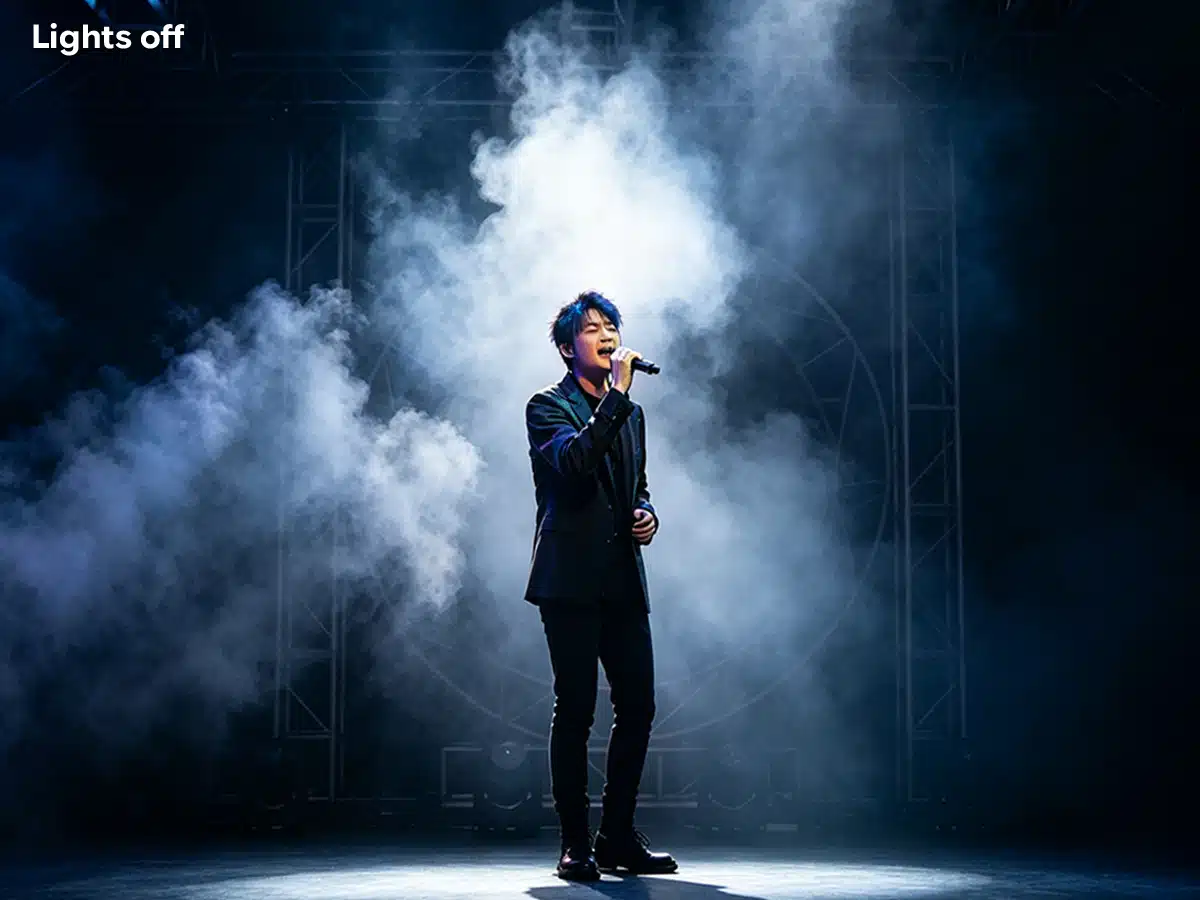
Mini moving‑head fixtures are generally ideal for small bars, wedding receptions, mid‑to‑small studios and livehouses. When shopping for mini LED spot moving‑head units, purchase price should not be your only consideration. You should holistically evaluate factors including physical footprint, light‑output quality, gobo variety, and control precision based on your application space.
Mini LED Spot Moving Head Light: Complete Buying Guide for Bars, Livehouses & Studios
Power and Illuminance:Mini fixtures typically use 30W‑150W LED light sources. During procurement, prioritise peak illuminance readings taken at 3 m to 5 m — the most common operating distance for bar environments. For close‑range fill lighting, select sources with a CRI Ra ≥ 80. Ratings below this threshold produce washed‑out, green‑tinged skin tones and severe colour distortion on costumes.
Beam Angle and Focus:Spot‑gobo fixtures usually deliver beam angles ranging from 10°‑18°. Opt for models with electronic focus, which allows real‑time fine‑tuning of spot sharpness directly from your lighting console.
Gobo Wheel: Entry‑level units mostly feature fixed gobo wheels (7‑8 gobos plus open‑white output). Professional‑grade fixtures include rotating gobo wheels supporting gobo rotation, gobo shake, and bidirectional scrolling effects.
Prism Function: Prioritise units fitted with 3‑facet or 8‑facet prisms with bidirectional rotation. These quickly generate immersive dimensional lighting effects for compact venues.
Motion Precision: Select fixtures equipped with 16‑bit high‑resolution stepper motors. Pan (X‑axis: 540°) and tilt (Y‑axis: 270°) should move without jitter or step‑loss during slow pans and fine position adjustments.
Control Protocol: Alongside standard DMX512 (typically 9‑14 channels), look for models with built‑in RDM support.
Thermal Management and Fan Noise: Mini moving‑heads are widely deployed inside bars, small theatres, wedding venues and livestream studios. Choose fixtures built with aluminium heat sinks.
Connectors and Fast Installation: Models with PowerCon loop‑through In/Out connectors and omega quick‑release brackets drastically cut rigging and teardown time.
How to Buy Mini LED Spot Moving‑Head Lights: Configuration Guide by Application Scenario
| Specification | Basic Party / Small Bar / Mobile DJ | Small Theatre / Wedding / Professional Studio |
|---|---|---|
| LED Source | 30W‑60W | 80W‑100W |
| Focus Type | Manual Focus | DMX‑controlled Electronic Focus |
| Gobo System | Fixed Gobo Wheel | Rotating Gobo Wheel (user‑replaceable gobos) |
| Prism Setup | 3‑facet Prism (fixed or rotating) | 3‑facet / 8‑facet Prism (bidirectional rotation) |
| Control Protocol | DMX512 / Sound‑activated / Stand‑alone | DMX512 + RDM Remote Feedback |
| Power Connector | Standard IEC Mains Connector | Locking PowerCon Loop‑through In/Out |
DJClub 60W / 90W Mini LED Spot Moving‑Head
Built around high‑output single‑chip 60W / 90W COB cool‑white LED, delivering exceptional peak centre illuminance at 3‑5 m projection distances. It features an independent rotating gobo wheel with gobo shake and continuous rotation, plus bidirectionally rotating 3‑facet / 8‑facet prism systems. It supports console‑driven electronic focus, 16‑bit smooth pan‑tilt resolution and RDM remote device addressing.
Light Performance & Colour Rendering: 10°‑15° beam angle, CRI Ra ≥ 80. Produces natural, lifelike skin tones for close‑up talent lighting without grey or green colour shift.
Construction & Connectivity: Die‑cast aluminium thermal housing with quiet cooling fans. Fitted with PowerCon loop‑through power ports and omega quick‑mount bracket.
Before placing bulk orders, request sample units from your supplier to inspect for severe chromatic aberration around spot edges.
References
[8] IEC 60320 & Neutrik AG Technical Specifications: Locking Appliance Couplers and Quick-Rig Bracket Installation Systems for Stage Equipment.
[1] AVIXA (Audio Engineering & Visual Standards): Stage Lighting Design and Target Illuminance Distance Guidelines for Commercial Venues.
[2] CIE (Commission Internationale de l’Éclairage): CIE 13.3-1995: Method of Measuring and Specifying Colour Rendering Properties of Light Sources.
[3] IES (Illuminating Engineering Society): IES LM-79-19: Optical and Electrical Measurements of Solid-State Lighting Products.
[4] PLASA / ESTA Technical Standards Committee: Entertainment Technology — Photometric Data Standards and Gobo/Prism Optical Performance for Stage Luminaires.
[5] ANSI E1.11 – 2008 (USITT DMX512-A): Entertainment Technology — Asynchronous Serial Digital Data Transmission Standard for Controlling Lighting Equipment and Accessories.
[6] ANSI E1.20 – 2010 (RDM): Entertainment Technology — Remote Device Management Over DMX512 Networks.
[7] ANSI/UL 1573: Standard for Stage and Studio Luminaires and Connector Strips (Thermal Management & Safety).