

What is DMX512? The Ultimate Guide to Stage Lighting Control

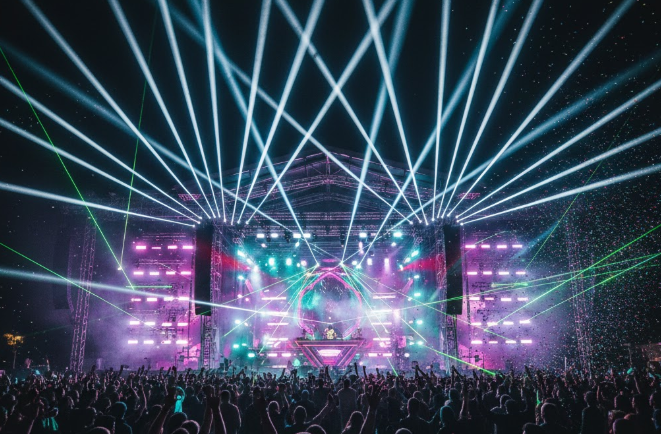
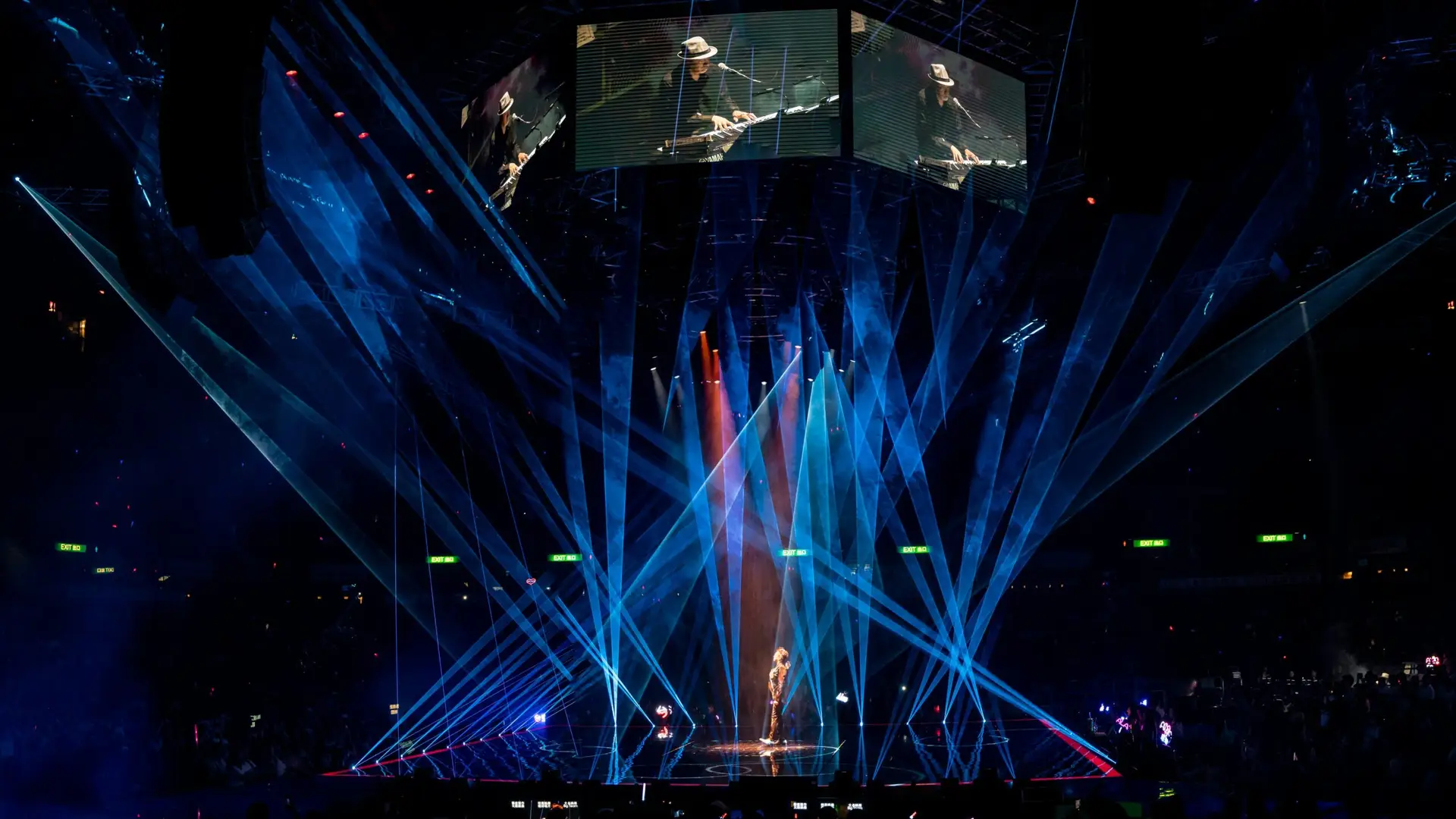
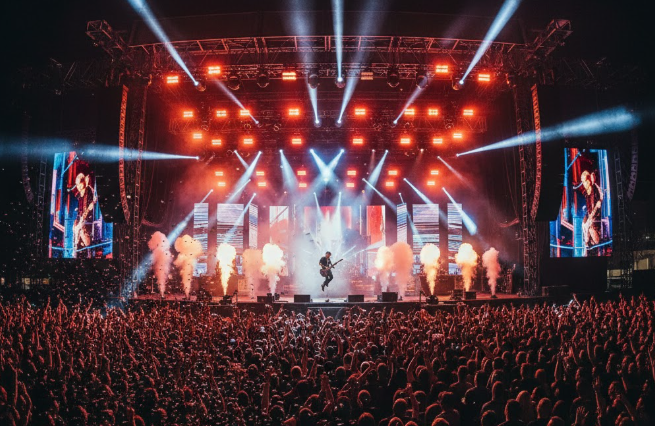
Behind every breathtaking stage effect lies an invisible force orchestrating hundreds of fixtures with surgical precision.
That force is DMX512—the universal language of the lighting world. If lighting fixtures are the actors on a stage, DMX512 is the neural network connecting the director to the cast. Without it, even the most expensive equipment remains a collection of disconnected parts rather than a synchronized ensemble.
Today, we will break down the core protocol that powers the art of light and shadow.
What is DMX512? The Ultimate Guide to Stage Lighting Control
I. DMX512: The Global Standard
DMX512 (Digital Multiplex 512) is the industry-standard digital protocol for stage lighting control. Created in 1986, its purpose was simple: to create a “common tongue” so that controllers and fixtures from different manufacturers could communicate seamlessly.
Let’s decode the name:
- Digital: It transmits commands as numerical values from 0 to 255. For example, a value of 0 might mean 0% brightness, while 255 represents 100%.
- Multiplex: It acts like a multi-lane highway, allowing a single cable to carry multiple streams of data to different devices simultaneously.
- 512: One DMX output (known as a “Universe”) can control up to 512 independent channels of data.
II. How Does DMX512 Work?
To understand the logic, imagine a theater production:
- Assigning Addresses: Before the show, every fixture (actor) is given a unique Starting Address (ID number). If Fixture A starts at Channel 1 and uses 16 channels, Fixture B must start at Channel 17 or higher to avoid “hearing” instructions meant for someone else.
- Sending Commands: The Director (Lighting Console) broadcasts a message to the entire network: “Channel 17, set value to 255!”
- Precise Execution: Only Fixture B recognizes that its address starts at 17. It “claims” that command and executes it (e.g., snapping to full brightness), while all other fixtures ignore the message.
This “broadcast and claim” mechanism allows a lighting designer to trigger complex, venue-wide shifts with a single touch.
III. DMX Channels: A Fixture’s “Vocabulary”
The more complex a light is, the more DMX channels it requires. Think of channels as the fixture’s vocabulary size:
- Basic LED Par: Might use 1 channel (Dimming only).
- RGBW Wash Light: Requires 4+ channels (Red, Green, Blue, White, and Master Dimming).
- Pro Moving Head: Can occupy 20 to 30 channels to control Pan/Tilt movement, color wheels, Gobos (patterns), prisms, focus, and strobing.
Managing this “bandwidth” is critical. We pre-calculate your channel layout to ensure that even the most complex rigs operate with zero latency and rock-solid stability.
IV. Why DMX512 Remains the “Gold Standard”
After 30 years, DMX512 remains the cornerstone of the industry due to three key strengths:
- Universal Compatibility: Whether you use different brands of lights, fog machines, if it supports DMX512, it fits into your system. This gives you total creative freedom.
- Lightning-Fast Response: The high refresh rate ensures that light reacts instantly to the music. This is vital for BPM-syncing, where every flash must hit the beat of the drum.
- Rugged Reliability: Using a “Daisy Chain” connection (wiring one device to the next) keeps cabling clean and simple. This method has been “battle-tested” in the world’s most demanding touring environments.
V. The Evolution: RDM (Remote Device Management)
In our high-end custom solutions, we integrate RDM technology. While traditional DMX is a “one-way shout” from the director to the actor, RDM allows the actor to talk back.
The Benefits: You no longer need to climb 30-foot trusses to check a stage light. From your console, you can remotely read a fixture’s status, check its temperature, monitor bulb life, and even change its DMX address wirelessly. This drastically reduces setup time and maintenance costs for large-scale installations.
DJclub: Your Strategic Partner in Professional Stage Lighting
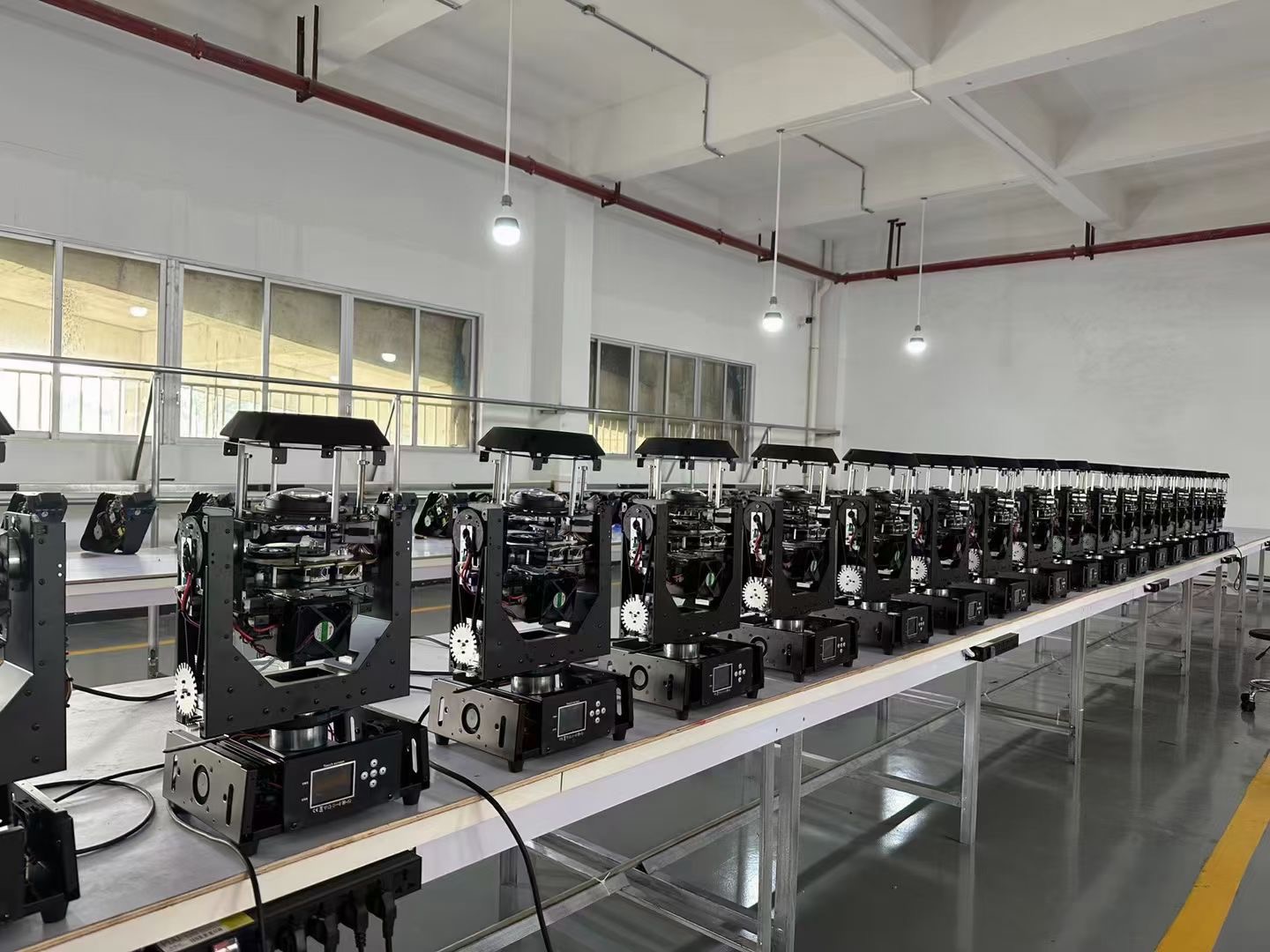
Since 2015, DJclub has evolved from a lighting manufacturer into a global strategic partner, combining a decade of R&D expertise with an industrial-grade 5,000m² production base.
With a monthly capacity exceeding 5,000 sets and full CE/RoHS compliance for EU and US markets, we deliver more than just equipment—we provide proven reliability.
Contact us: https://www.djclublight.com/contact-us/
Conclusion
DMX512 is more than a technical spec; it is the foundation of modern visual storytelling. When choosing a stage lighting partner, their ability to plan and optimize the signal architecture is often more important than the lights themselves.
Our Expertise Goes Beyond Hardware:
- Custom Signal Topology: We design interference-resistant distribution systems to eliminate flickering in large-scale events.
- Programming & Training: Every system we deliver includes a detailed DMX Channel Map and pre-programmed scenes, ensuring your team can “play” the lights like an instrument from Day 1.
Ready to make your lighting system smarter? Click [Consult a Technical Specialist] for a complimentary DMX Signal Topology Map tailored to your venue. Let’s ensure every creative spark is executed with 100% accuracy.

Quick question for DMX pros — I spotted a product on this Instagram profile https://www.instagram.com/slinkin__denis/ and was wondering if anyone can ID the exact model/specs, confirm whether it’s DMX512-compatible or RDM-enabled, and share any notes on safety/reliability for use in touring daisy-chain setups?