
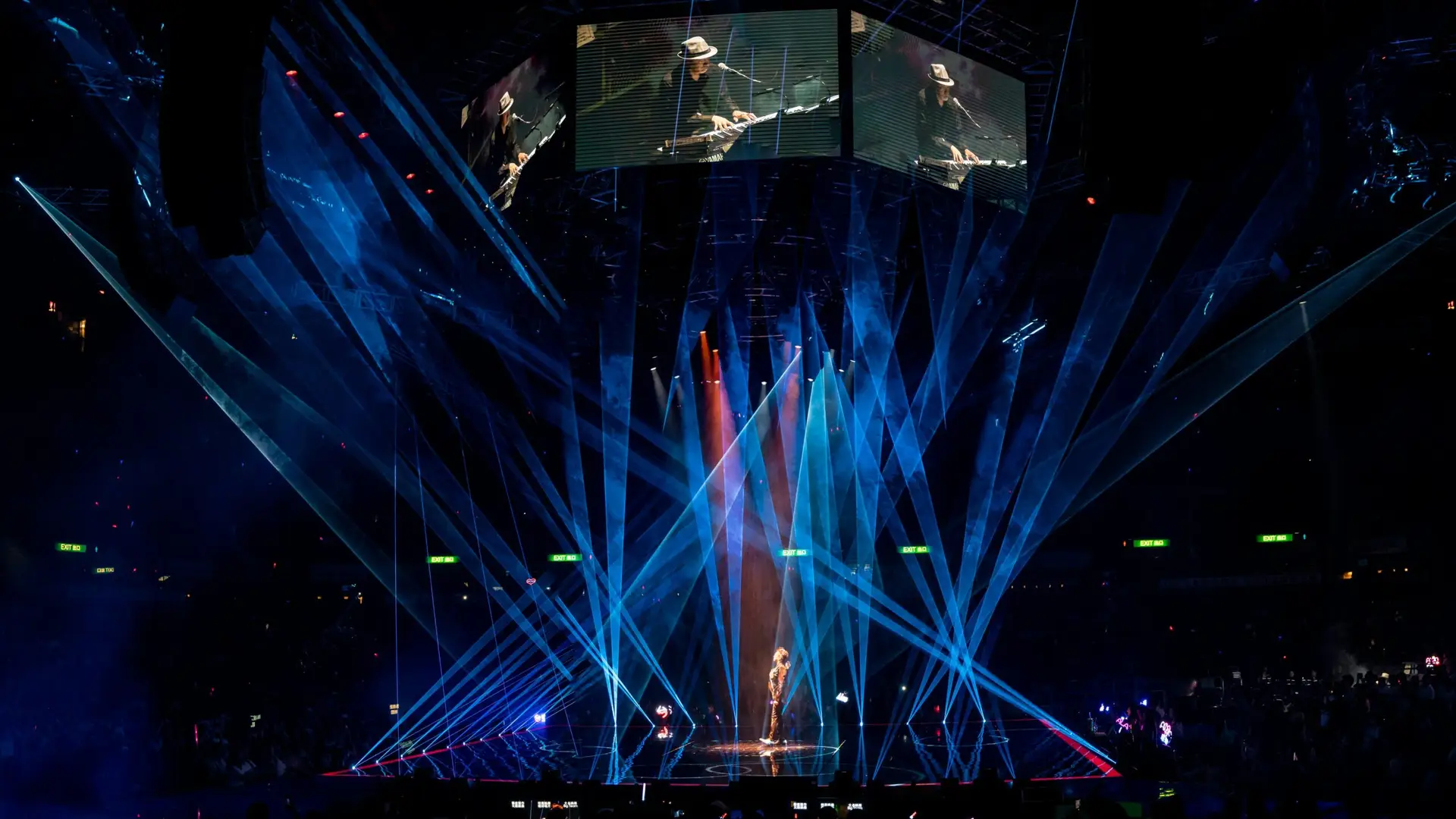
The Top 4 Trends in Stage Lighting Intelligence for 2026: From Sound-Control to AI Creation

In the past, driven by fierce industry competition, stage lighting manufacturers focused primarily on upgrading hardware performance—a phase often referred to as “Hardware Stacking.”
However, in 2026, the industry has pivoted away from pure hardware accumulation, marking the “Inaugural Year of Physical Intelligence.” If your nightclub or stage setup is still limited to basic DMX programming, you are missing out on a massive wave of operational efficiency.
Here are the four most significant trends in stage lighting intelligence for 2026 that are redefining light, shadow, and space.
1. Trends in Stage Lighting Intelligence for 2026: AI-Driven Real-Time Control
Traditionally, light shows required designers to spend hours or even days on offline programming, resulting in high labor costs and procurement premiums. The emergence of Large Language Models (LLMs) and Generative AI is now driving these costs down.
As early as 2023-2024, Lighting & Sound International (LSi) reported:
“The integration of generative AI into lighting consoles allows for real-time interpretation of audio data. Unlike traditional time-code shows, these systems use neural networks to ‘feel’ the music, generating complex pan/tilt movements and color palettes that were previously only possible through weeks of manual programming.”
By 2026, Edge AI models are being built directly into lighting controllers. This landmark advancement means lighting systems no longer passively execute commands. Instead, they analyze audio frequencies and BPM in real-time to generate visual patterns. These AI-generated visuals often possess a level of imagination that breaks through the conventional experience of human designers.
The commercial value is profound. AI allows for non-repetitive, creative shows even without a top-tier lighting designer on-site, drastically reducing overhead for small-to-medium nightclubs. Industry data suggests that AI-assisted programming—featuring automatic track recognition and alignment—can reduce pre-programming time by 40%–60%, potentially saving the cost of at least one full-time technician for smaller bars and Livehouses.
While elite designers are still essential for massive stadium shows, the AI trend is irreversible. As Live Design Online noted:
“We are seeing a shift from central control to ‘intelligent fixtures.’ With the rise of Edge AI chips, individual moving heads can now process spatial data and synchronize with other fixtures autonomously, reducing the bandwidth required for DMX or sACN protocols.”
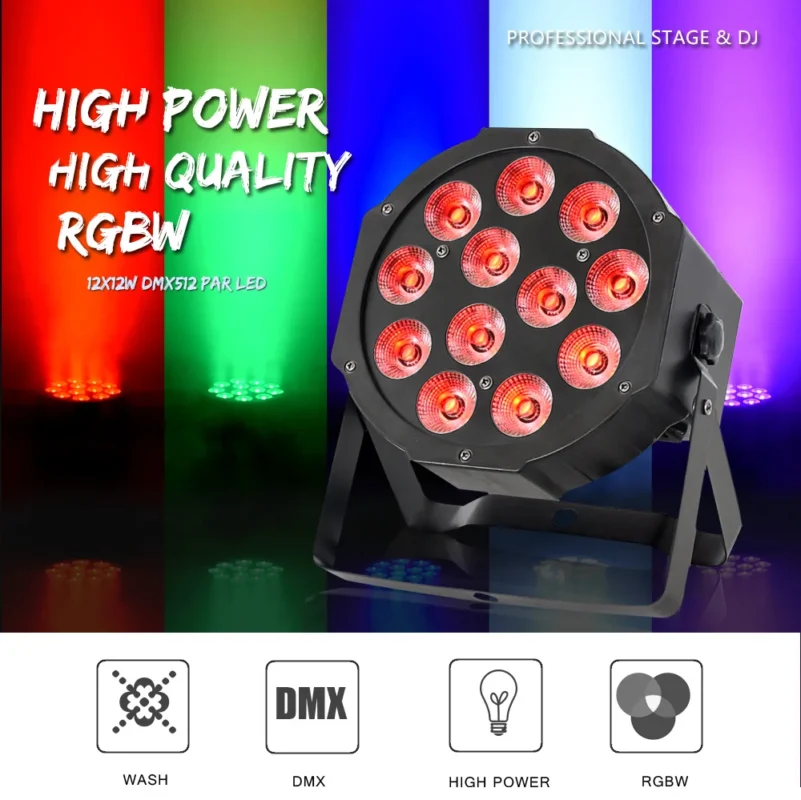
2. From “Sound-Active” to “Emotional Sensing”
Traditional sound-active lighting is a mature but simple technology: “the louder the volume, the brighter the light.”
In 2026, intelligent sensors have given lighting a form of “mind-reading” capability. No longer limited to current or voltage feedback, these systems offer unprecedented flexibility. Pro AV Today highlighted this in its 2025 Technology Review:
“The era of passive lighting is over. By integrating Computer Vision (CV) at the edge, club lighting systems now act as live data analysts. Sensors detect crowd density and movement patterns in real-time, allowing the DMX controller to shift from a ‘chase’ to a ‘reactive’ state without a single human touch.”
LD+A (Lighting Design + Application) magazine further noted:
“Biometric and environmental sensors are being used to trigger specific color gamuts designed to influence mood. For instance, using warm ambers and increased flicker frequency to re-energize a thinning dance floor is no longer sci-fi—it’s algorithmic crowd management.”
Research shows that intelligently adjusting light rhythms can extend the average stay of customers and indirectly boost beverage sales. Utilizing visual AI sensors to monitor dance floor density, the system can automatically switch to warm ambers or vibrant oranges and accelerate the tempo when the crowd thins, achieving truly Active Interaction.
3. “Invisible” Control: Everything is AI
According to trends from CES 2026, AI hardware is moving toward “Decentralization.”
While often associated with cryptocurrency, “decentralization” in stage lighting refers to a shift away from massive, complex consoles toward intuitive voice interfaces and Augmented Reality (AR) wearables. Designers can now wear lightweight AR glasses and adjust beam angles or colors simply by moving their fingers in the air—a sci-fi scenario that heightens the energy of the dance floor.
The technology behind this is the maturity of Small Language Models (SLMs). This allows for higher automation, where individual moving heads possess independent judgment and tracking capabilities—an astonishing leap for fixture autonomy.
4. Digital Twin: The Syncing of Virtual and Reality
In 2026, Digital Twin technology allows physical nightclub lighting to synchronize with online streaming rooms with zero latency.
As AV Magazine noted in its 2026 Immersive Technology Outlook:
“The convergence of Unreal Engine 5 and DMX protocols has birthed the ‘Unified Stage.’ By creating a Digital Twin of the physical venue, lighting designers can now broadcast real-time light data to virtual environments. Every beam from a physical moving head is mirrored 1:1 in the digital twin, ensuring that online attendees feel the same strobe energy as the crowd on the floor.”
Whether it is a simultaneous EDM festival broadcast or a virtual idol (V-Tuber) concert, the position, color, and intensity of lights are mapped 1:1 in virtual space, providing a groundbreaking “phygital” (physical + digital) experience for global audiences.
More Related Articles
- Guide to China Stage Lighting Manufacturers & Sourcing Bases
- Lighting Solutions for Outdoor Immersive Shows: Beating Extreme Weather
- Customized Lighting for Bars and Nightclubs: Creating the Ultimate Atmosphere
Custom Stage Lighting vs. Off-the-Shelf Fixtures: Which is Right for You?
Multi-Function Hall Stage Lighting Configuration: A Versatile Solution Guide
LED Par Light vs. Moving Head Beam Light: Selection and Combination Guide
Mastering Your Stage Lighting Budget: 5 Sourcing Pitfalls to Avoid
Stage Lighting Maintenance Manual: 6 Secrets to Extending Fixture Lifespan
Nightclub Stage Lighting Buying Guide: How to Save 30% on Your Budget
2026 Guide to Finding Stage Lighting Factories: Secure Direct Factory Pricing