
How to Decode Moving Head Light Specifications? A Complete Guide

When planning a stunning stage performance, many are confused by the professional technical data: “Is there a big difference between 230W and 400W?” “Is 16-bit precision really smoother than 8-bit?” “Why emphasize a 2-degree beam angle?”
The truth is, if you cannot decode these parameters, you might end up purchasing the wrong equipment for your needs. Today, we will break down the core specifications using the DJClub Mini 230W/400W Ultra Bright Moving Head Light as our reference.
How to Decode Moving Head Light Specifications? A Step-by-Step Guide
Reference Product: DJClub Mini 230W Moving Head
1. Color Temperature
Color temperature defines the “color” of the light, measured in Kelvin (K). The higher the K value, the “cooler” (bluer) the light appears.
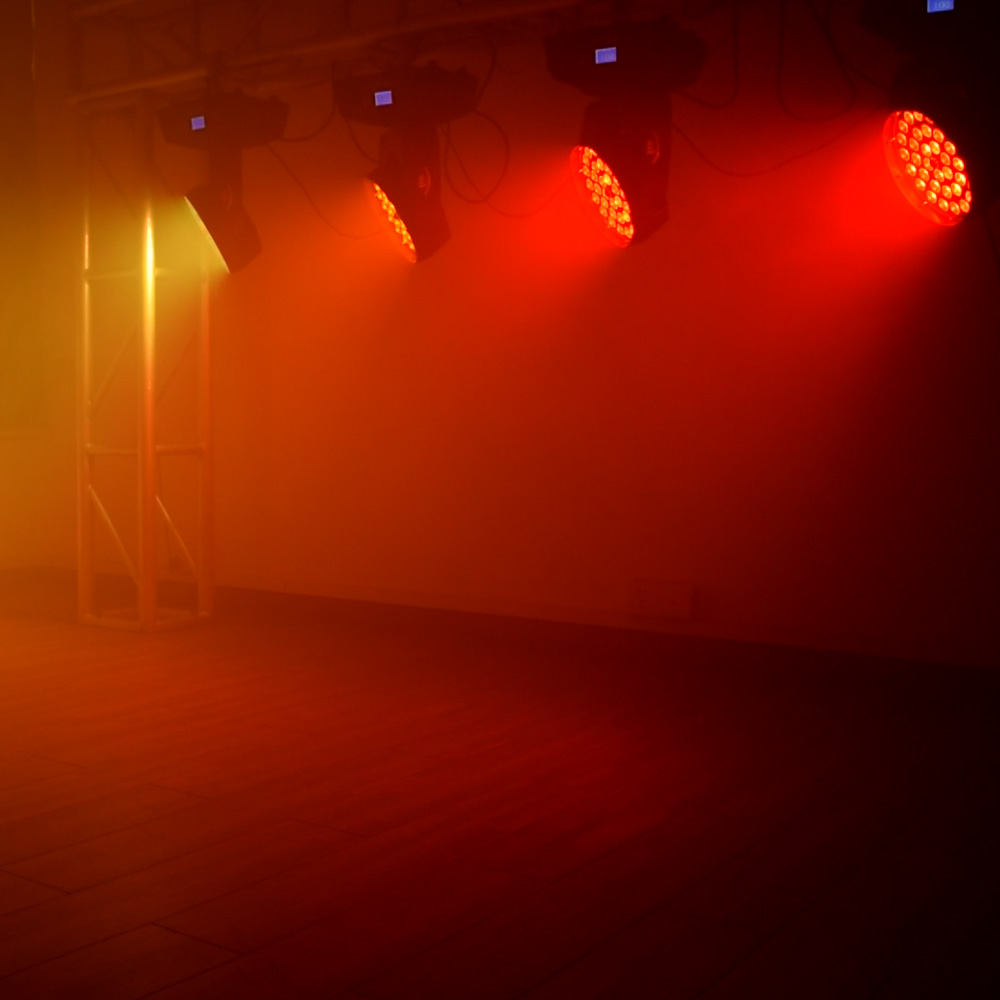
The DJClub Mini 230W/400W features a color temperature of 10000~12000K, which is a crisp Cool White. This stage light has incredible piercing power, creating sharp, clean beams even through heavy fog.
2. Beam Angle
The Beam Angle measures the diameter of the light beam. A smaller beam angle results in a tighter, rounder, and more intense spot.
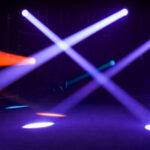
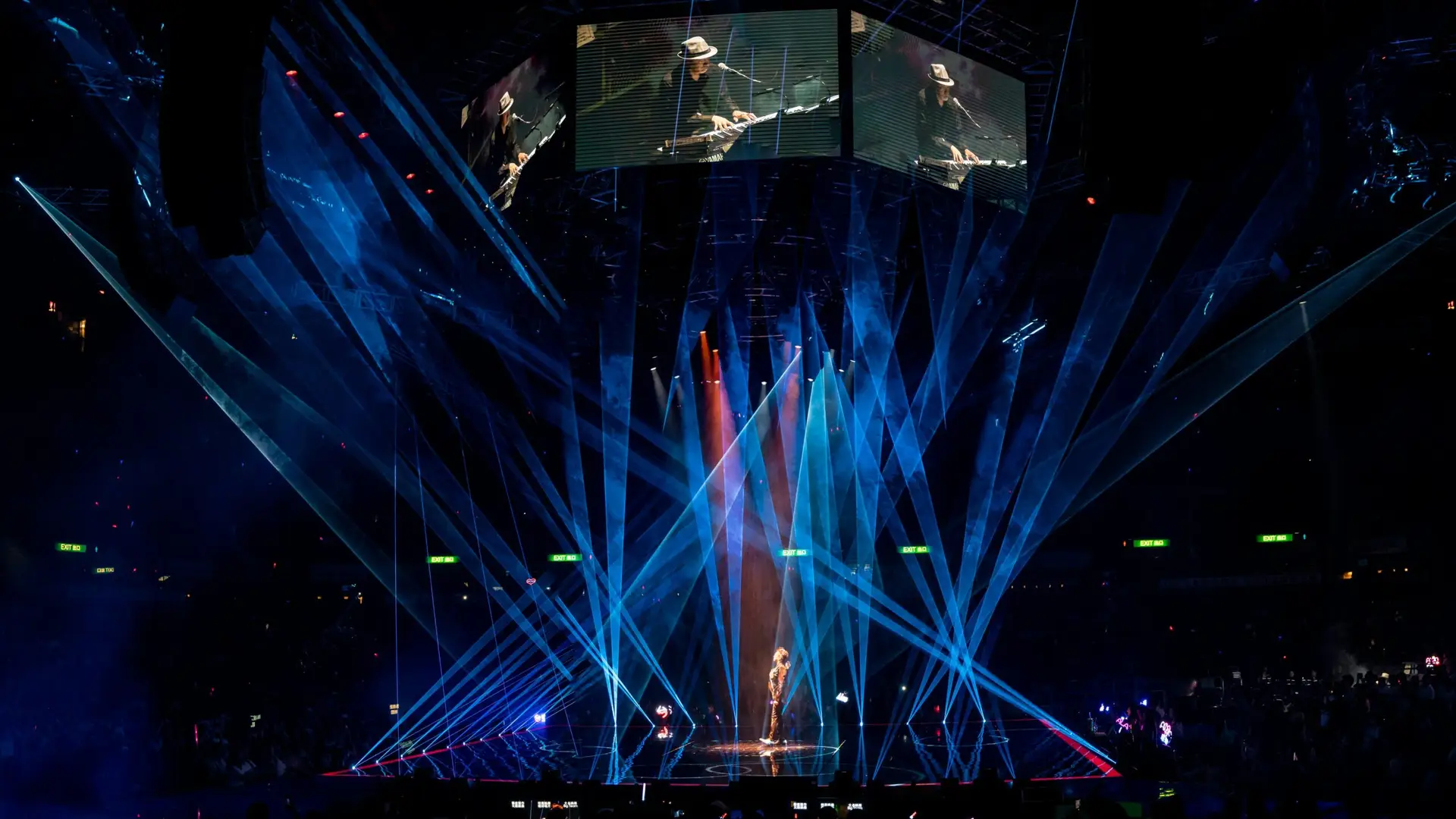
This product features an ultra-narrow 2-degree beam. This means the light shoots out like a laser, making it perfect for creating “mid-air beam matrix” effects.
3. Prism Combination
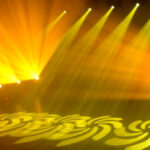
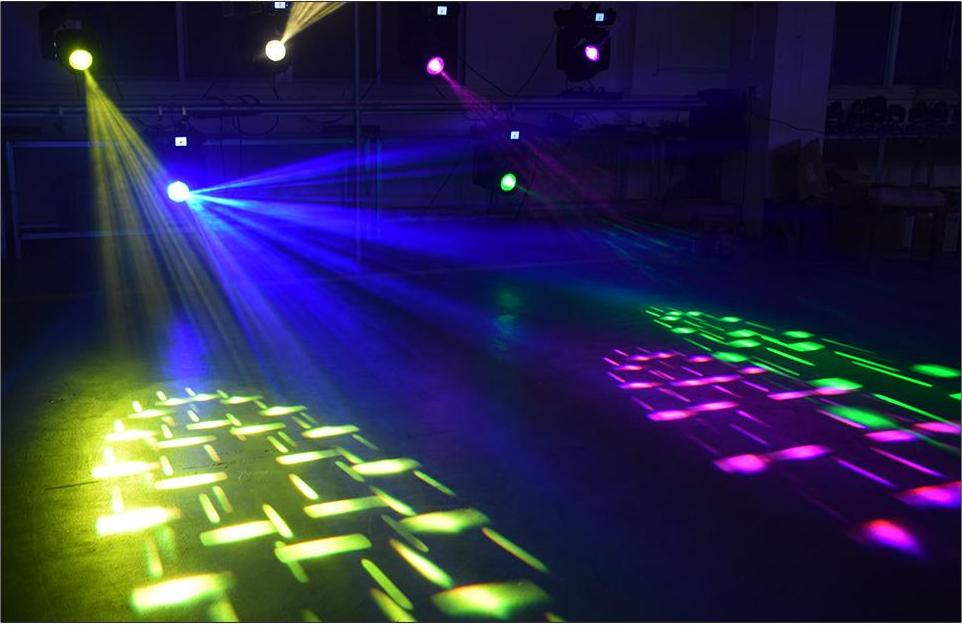
Prisms create brilliant visual arrays. When engaged, a single beam is split into a “flower” or a “light matrix.”
The DJClub Mini utilizes an 8+16 dual-layer prism. It can decompose a single beam into multiple overlapping patterns, creating a beautiful effect similar to a blooming flower.
4. Scanning Range
The scanning range determines where the light can reach. This product offers 540° Pan (horizontal) and 270° Tilt (vertical), providing almost total coverage of your venue.
5. Bit Precision
Bit precision determines the smoothness of the light’s movement—the hallmark of “high-end” gear. While basic lights may jitter, 16-bit ensures silky-smooth movement even at extremely slow speeds.
- 8-bit (Standard): Divides the 540° Pan into 256 steps. At slow speeds, you will see the light “stutter” or jump like it’s climbing stairs.
- 16-bit (Professional): Divides the same range into 65,536 steps. Even during glacial movements, no jitter is visible to the naked eye. Furthermore, it ensures extremely precise positioning and resetting.
6. DMX Channels
With 16 DMX channels, this light is compatible with all mainstream controllers. It allows for independent and precise control over color, gobos, prism rotation, strobe, electronic focusing, and more.
7. RDM Function
RDM (Remote Device Management) is a highly practical “two-way communication” feature. You don’t need to climb up to a truss to manually change the DMX address; you can modify settings directly from your console.
Quick Reference Specification Table
| Item | Specification | Significance |
| Power | 400W | Provides ample brightness for medium stages or high-ceiling wedding halls. |
| Dimming | 0-100% Linear (4 curves) | Ensures natural transitions without flickering or sudden jumps. |
| Strobe | Up to 14Hz | Rapid flashing frequency, ideal for high-energy electronic music festivals. |
| Cooling | Fan Cooling | Ensures stable operation during long-duration use at 400W power. |
| Protection | IP20 | Note: Not waterproof. For indoor use only (or with a rain cover). |
Summary and Buying Advice
The DJClub Mini 230W/400W is a powerhouse that balances a compact footprint (23x17x32cm) with exceptional light output. It is perfect for indoor weddings, mid-sized bars, live streaming studios, and professional DJ sets. Its 2-degree narrow beam is incredibly solid, and when combined with the dual-layer prism, it delivers professional-grade visual impact.
More Related Articles
- Guide to China Stage Lighting Manufacturers & Sourcing Bases
- Lighting Solutions for Outdoor Immersive Shows: Beating Extreme Weather
- Customized Lighting for Bars and Nightclubs: Creating the Ultimate Atmosphere
Custom Stage Lighting vs. Off-the-Shelf Fixtures: Which is Right for You?
Multi-Function Hall Stage Lighting Configuration: A Versatile Solution Guide
LED Par Light vs. Moving Head Beam Light: Selection and Combination Guide
Mastering Your Stage Lighting Budget: 5 Sourcing Pitfalls to Avoid
Stage Lighting Maintenance Manual: 6 Secrets to Extending Fixture Lifespan
Nightclub Stage Lighting Buying Guide: How to Save 30% on Your Budget
2026 Guide to Finding Stage Lighting Factories: Secure Direct Factory Pricing